
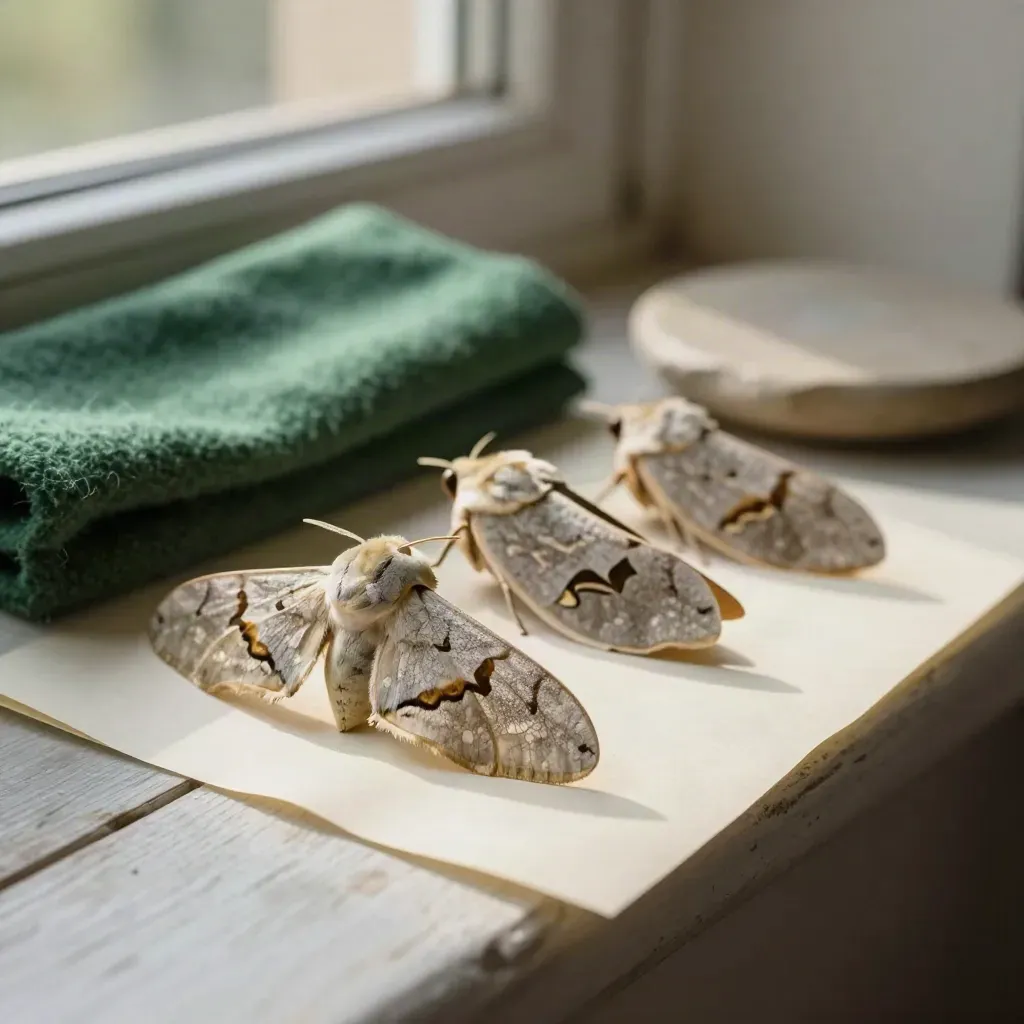
ID guide
How to Name a Moth
A simple guide to shape, marks and good photos.
FROM THE JOURNAL
Read local sightings, ID notes, garden records and habitat tips from around the county. Clear photos and plain notes help you name the moths at your light, wall or hedge.
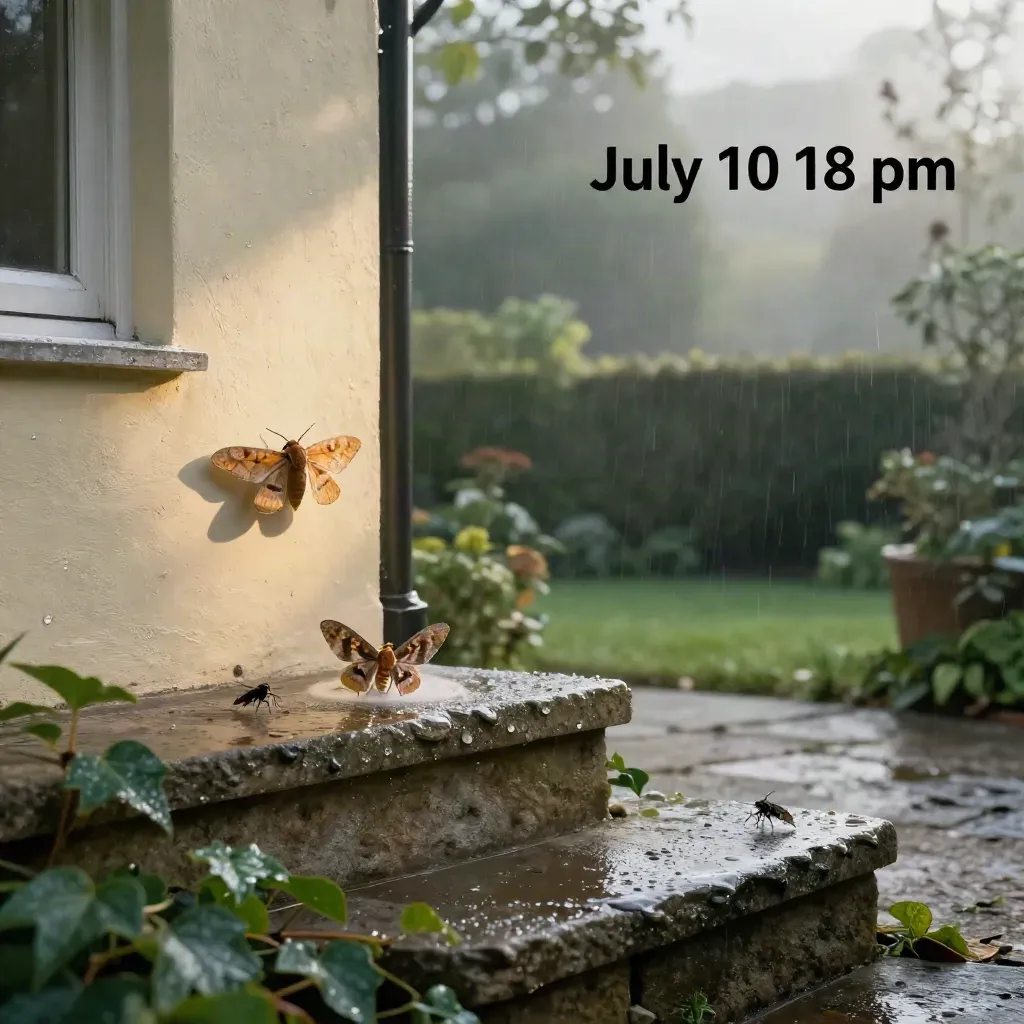
FEATURED STORIES
A simple guide to shape, marks and good photos.
ID guide
A simple guide to shape, marks and good photos.
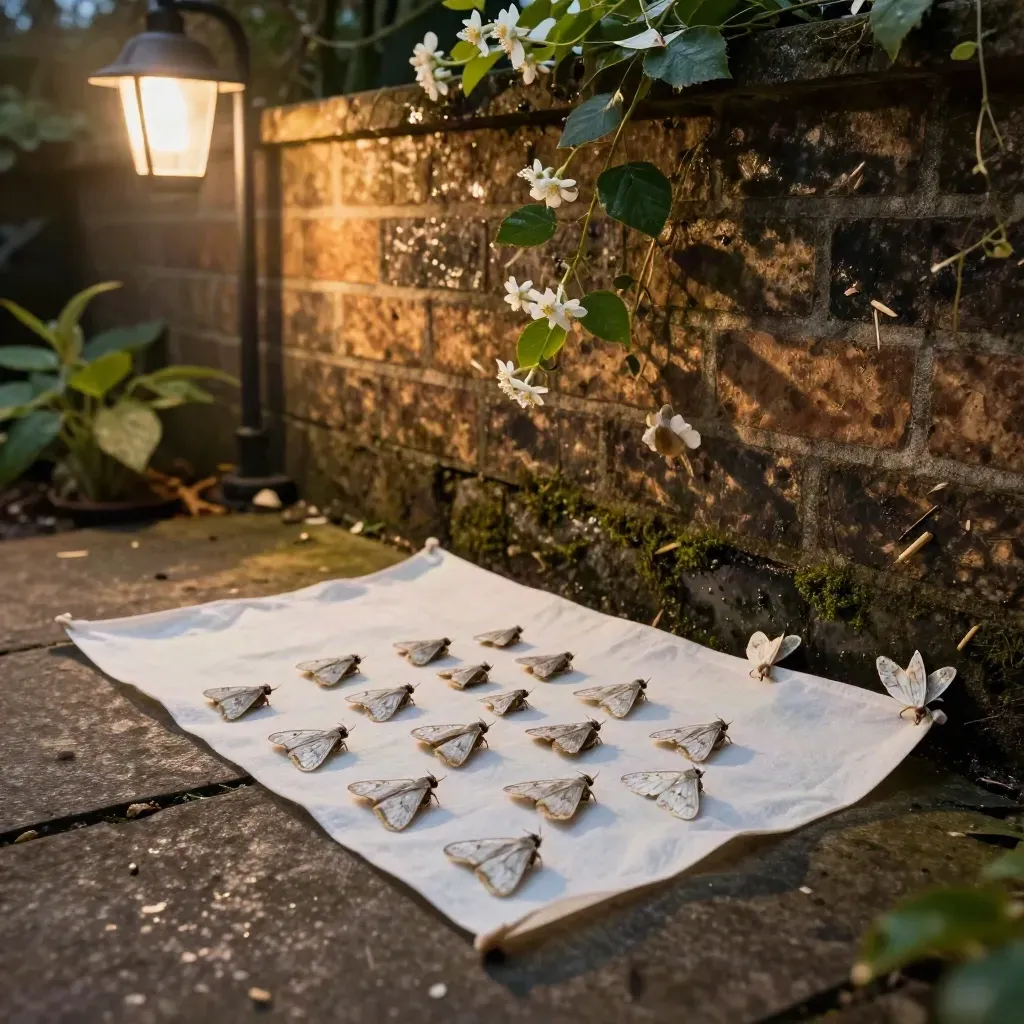
Local log
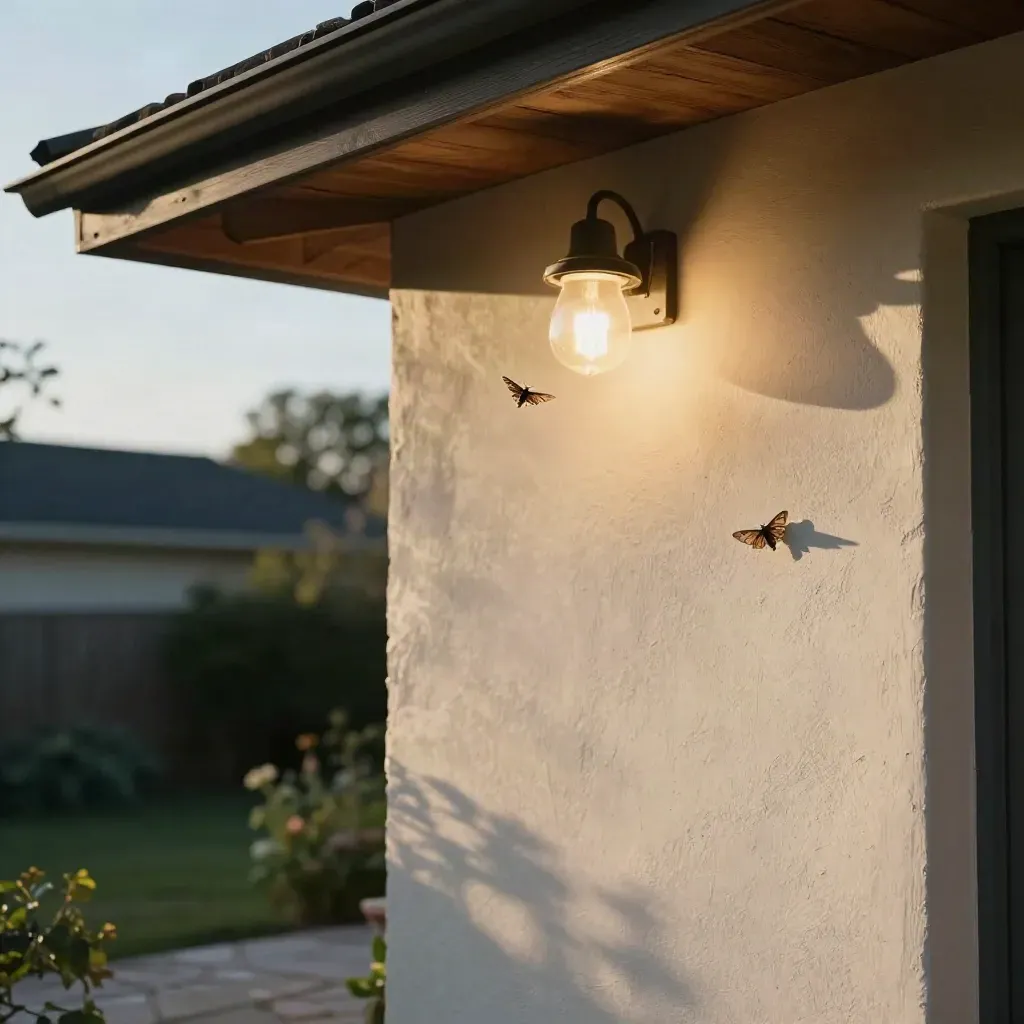
Garden watch
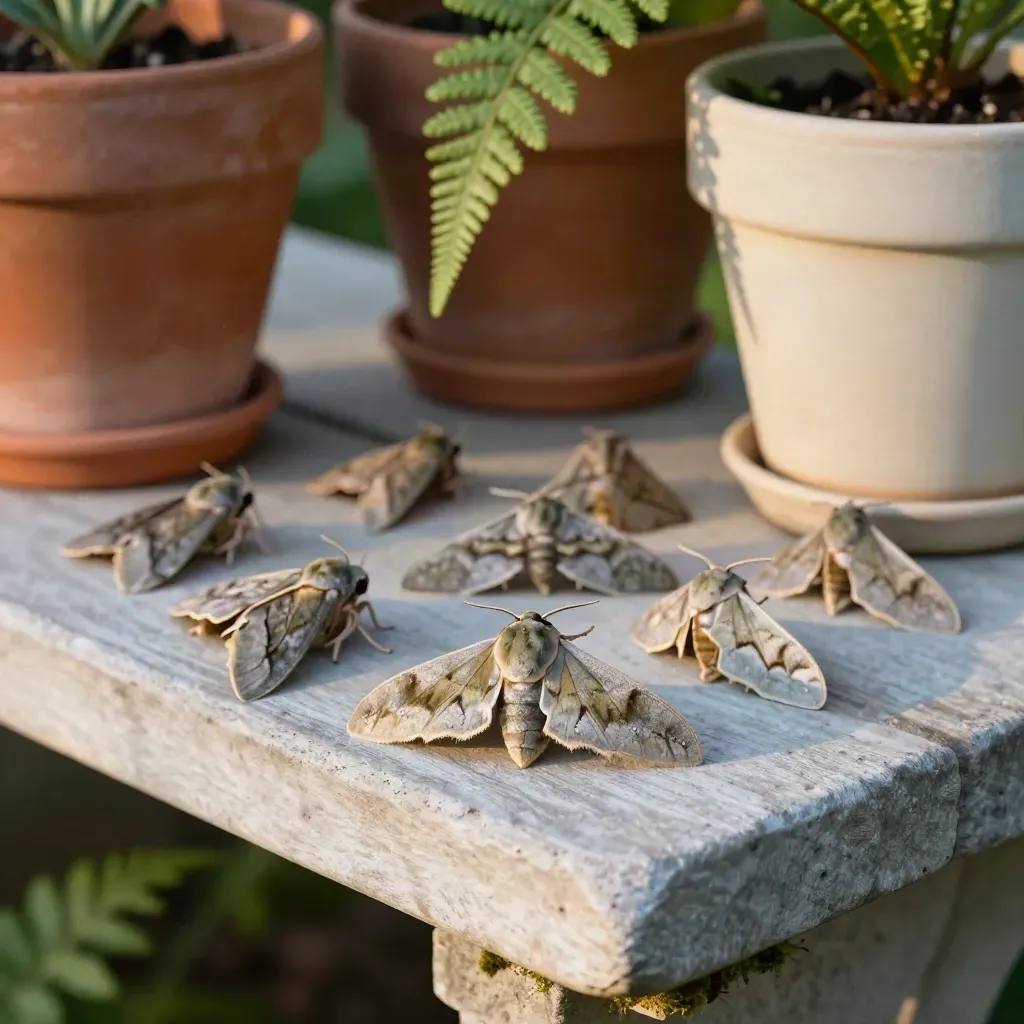
Names, marks and when they turn up in Herts.
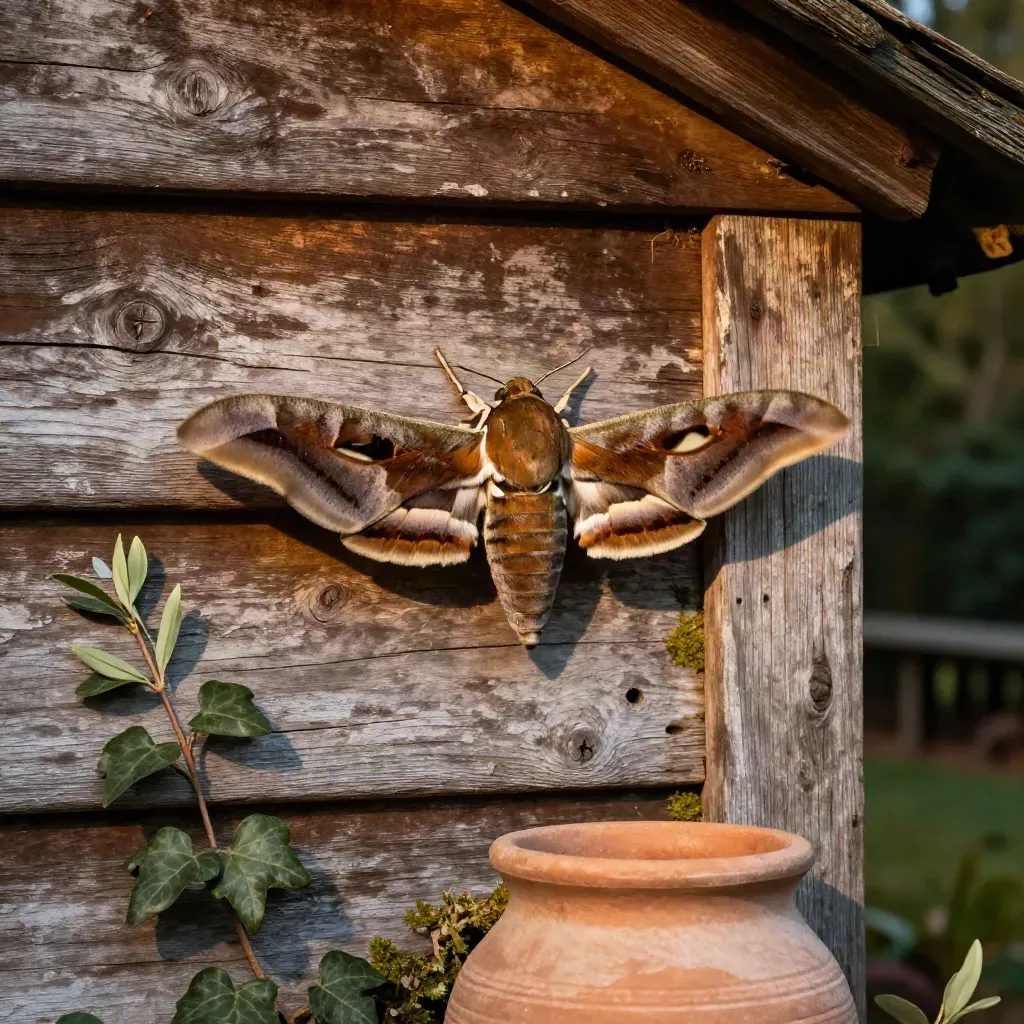
Large moths with fast flight and clear stripes.
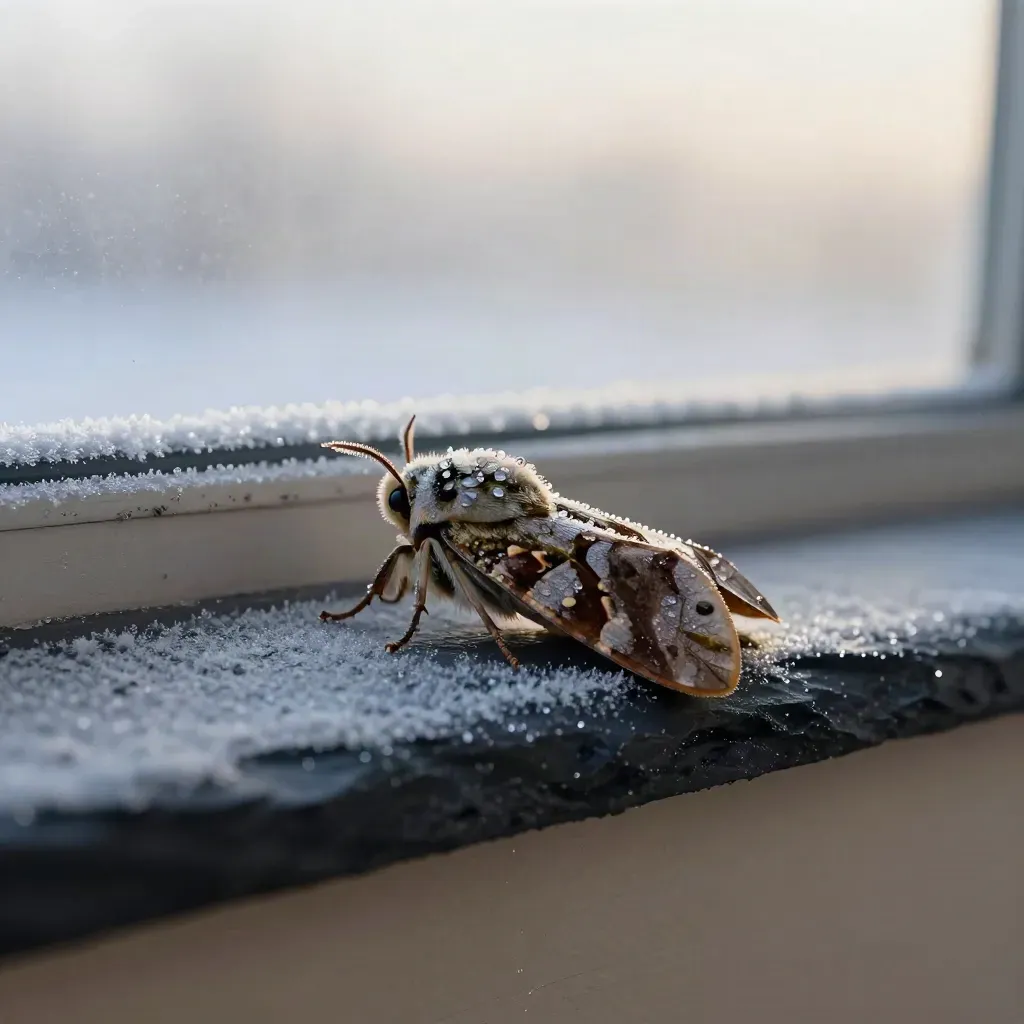
Cold-night species and the signs to look for.
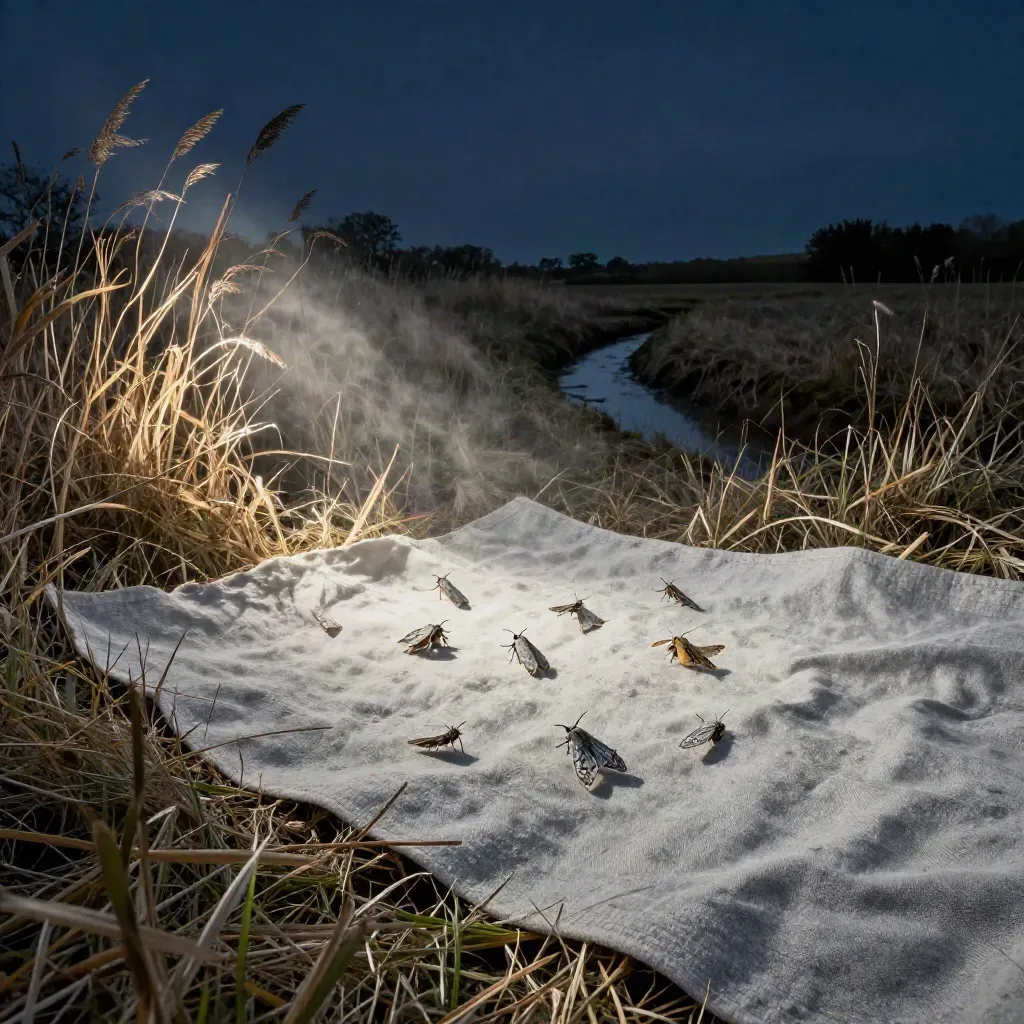
Live log
Live log
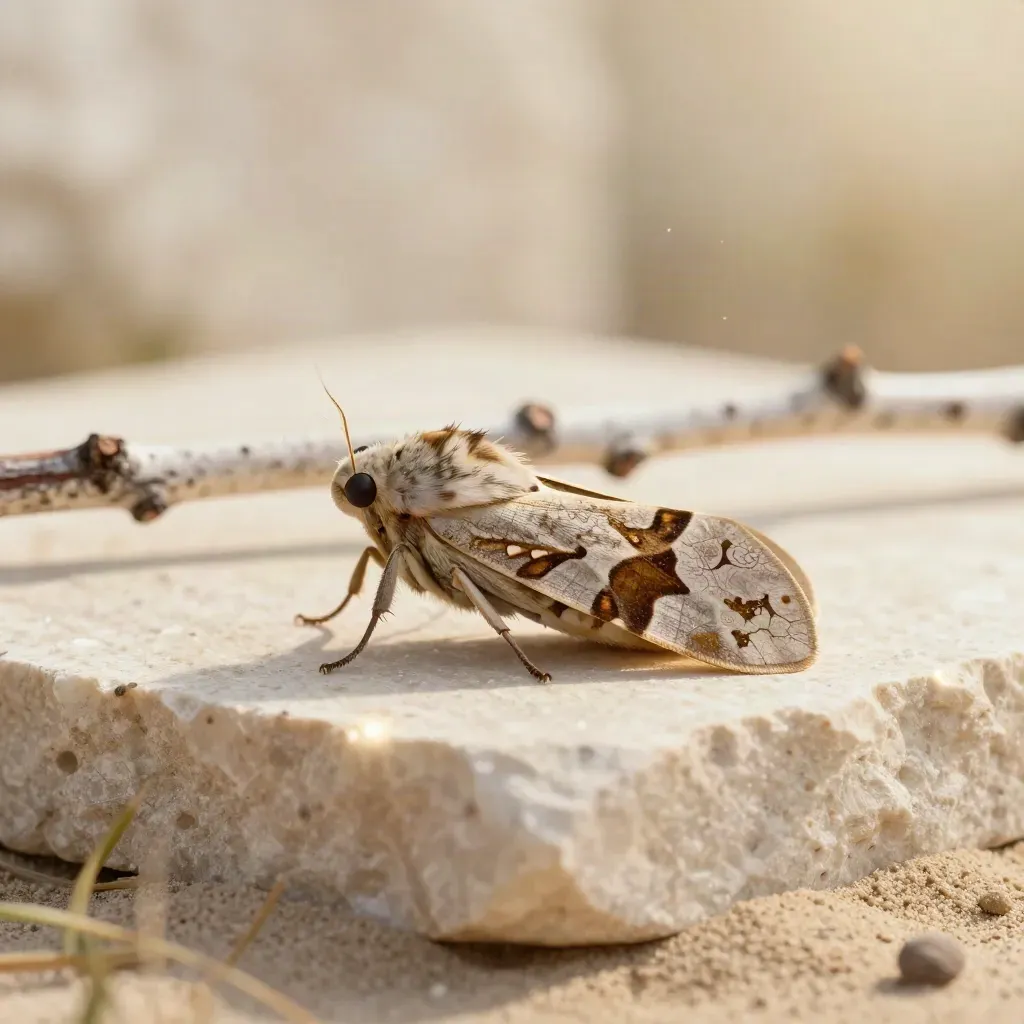
Night guide
Night guide
TOPIC CHANNELS
Plain steps to name moths from shape, marks and season.
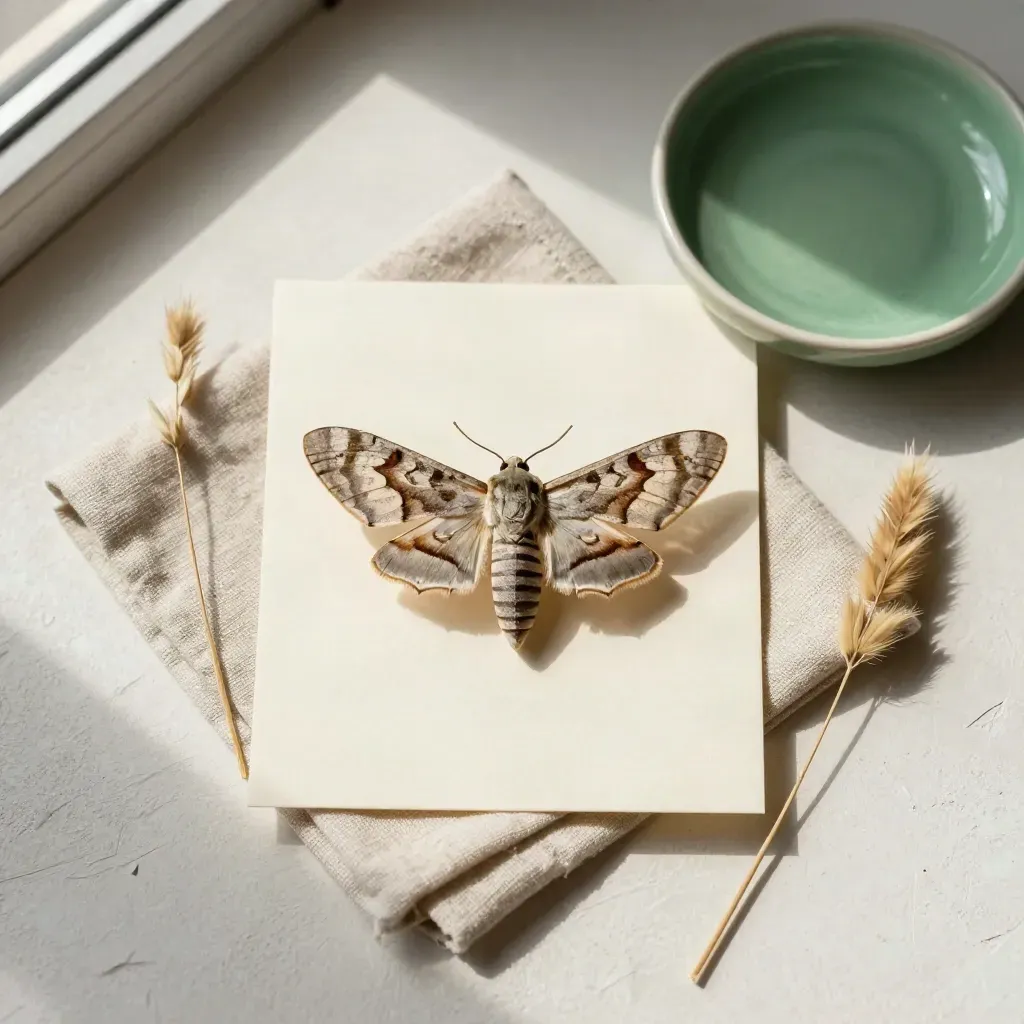
GUIDE
Plain steps to name moths from shape, marks and season.

TRENDS
Recent Herts records, one night at a time.
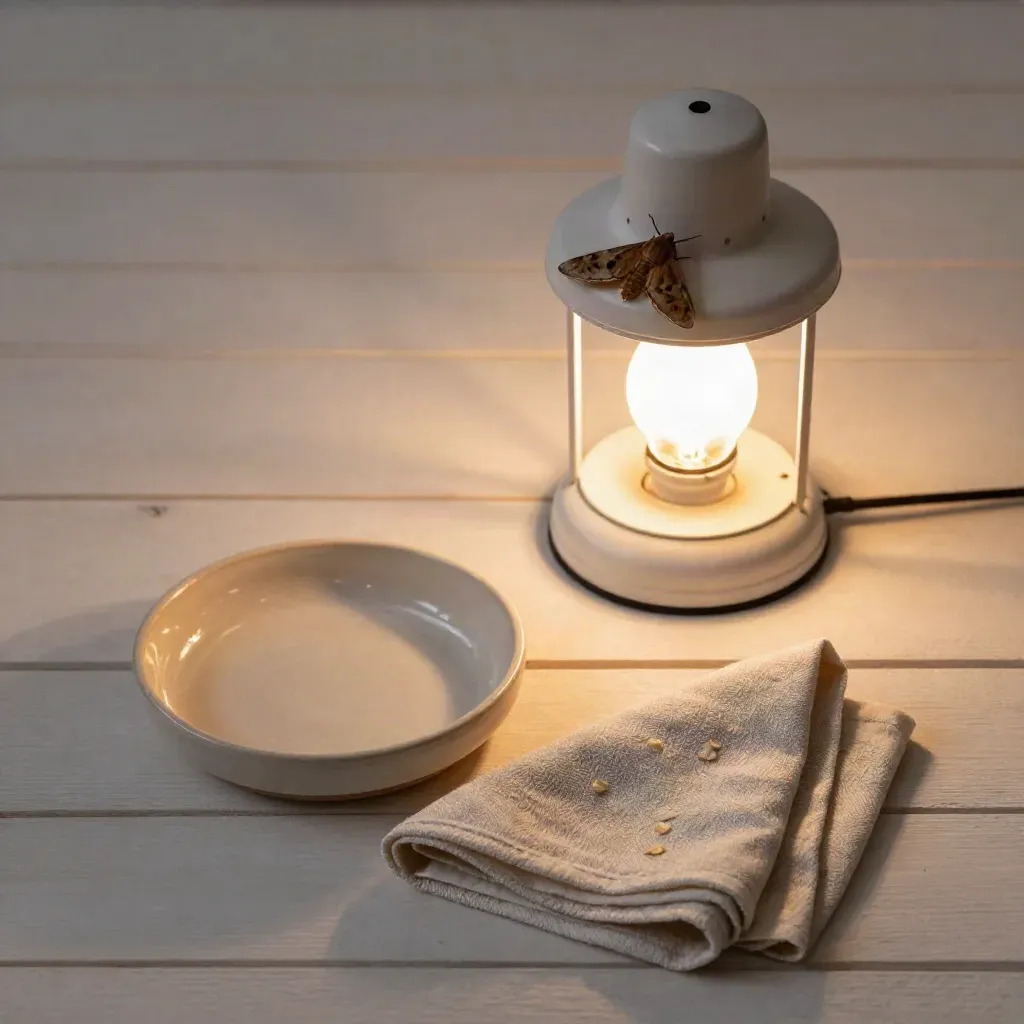
TIPS
What turns up near lights, hedges and compost heaps.

GUIDE
Woodland, meadow and wetland clues for each species.
species notes logged
species notes logged
of field notes
of field notes
garden records shared
garden records shared
Community
“One clear photo and the wing shape were enough to name my moth.”
Priya Shah
Home gardener in Berkhamsted
“The local logs helped me see how many species visit one small garden.”
Martin Cole
Wildlife volunteer in Tring
“I keep coming back for the plain notes. They save me from guesswork.”
Jade Wilson
Allotment keeper in Hertford
SPOTLIGHT TAIL
A common night flier seen around lawns, hedges and lights.
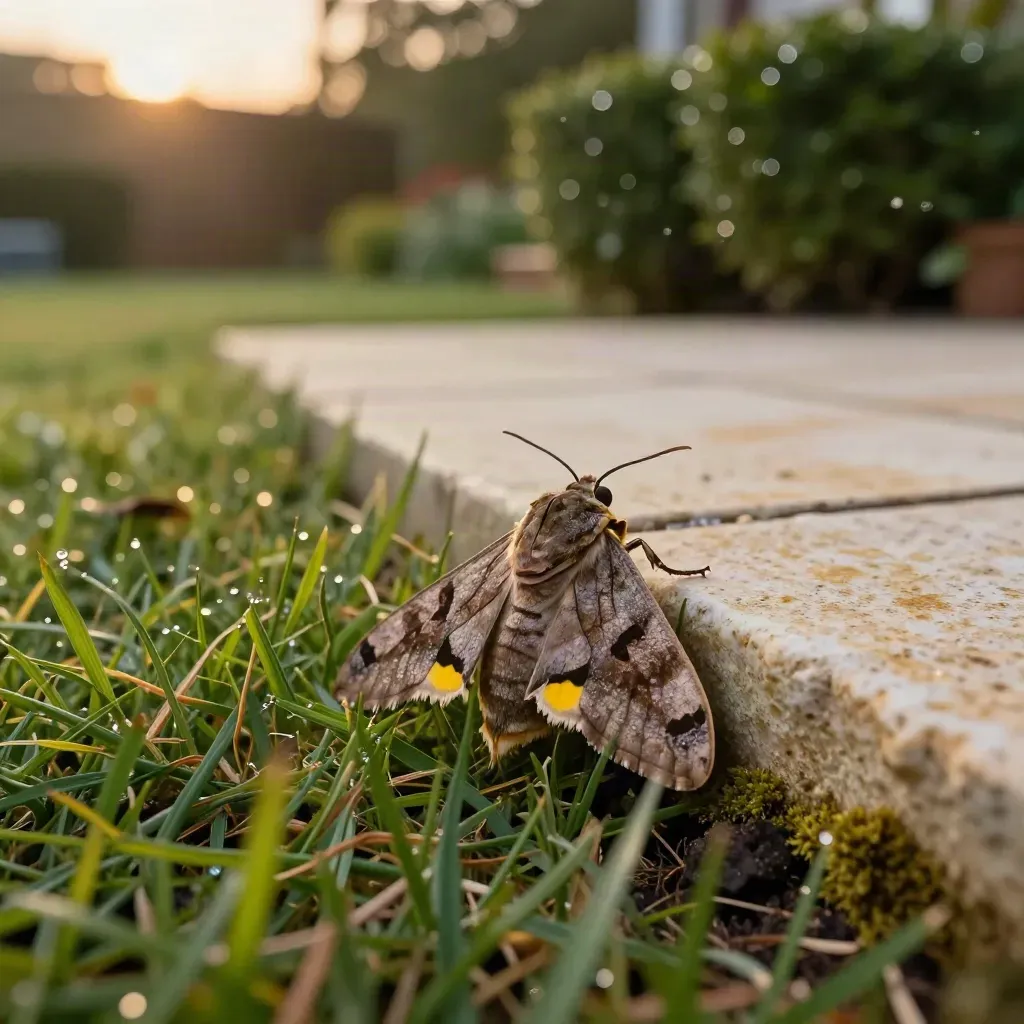
Featured
A common night flier seen around lawns, hedges and lights.
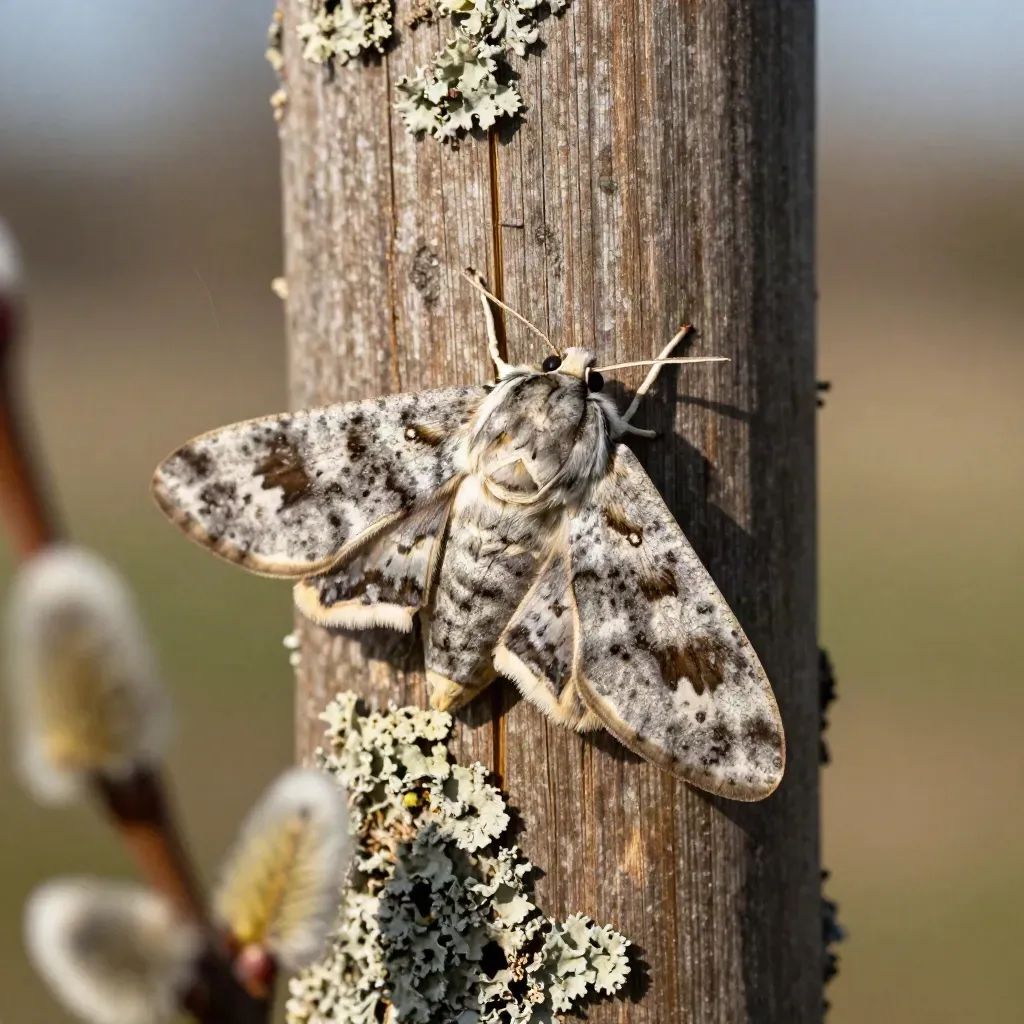
Early spring marks and a neat resting pose.
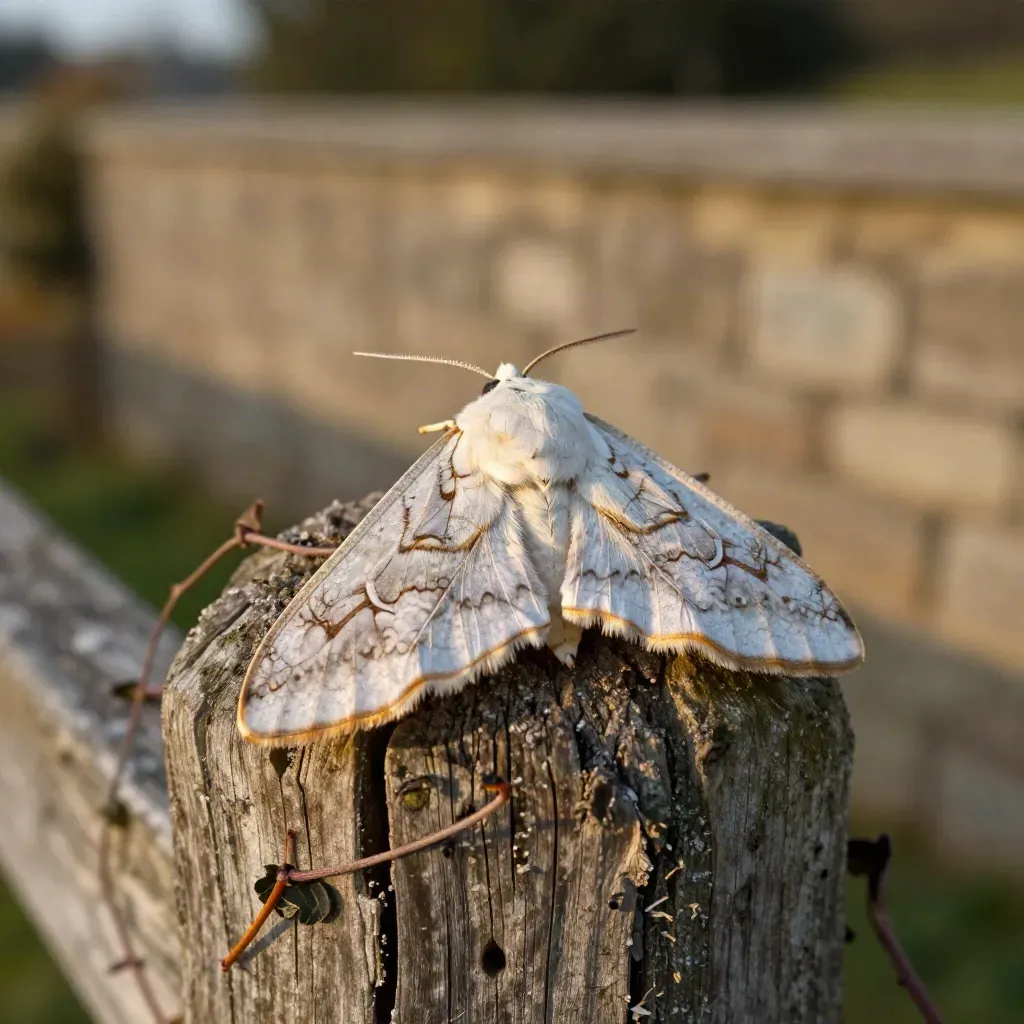
A good match for tree trunks and old fence posts.
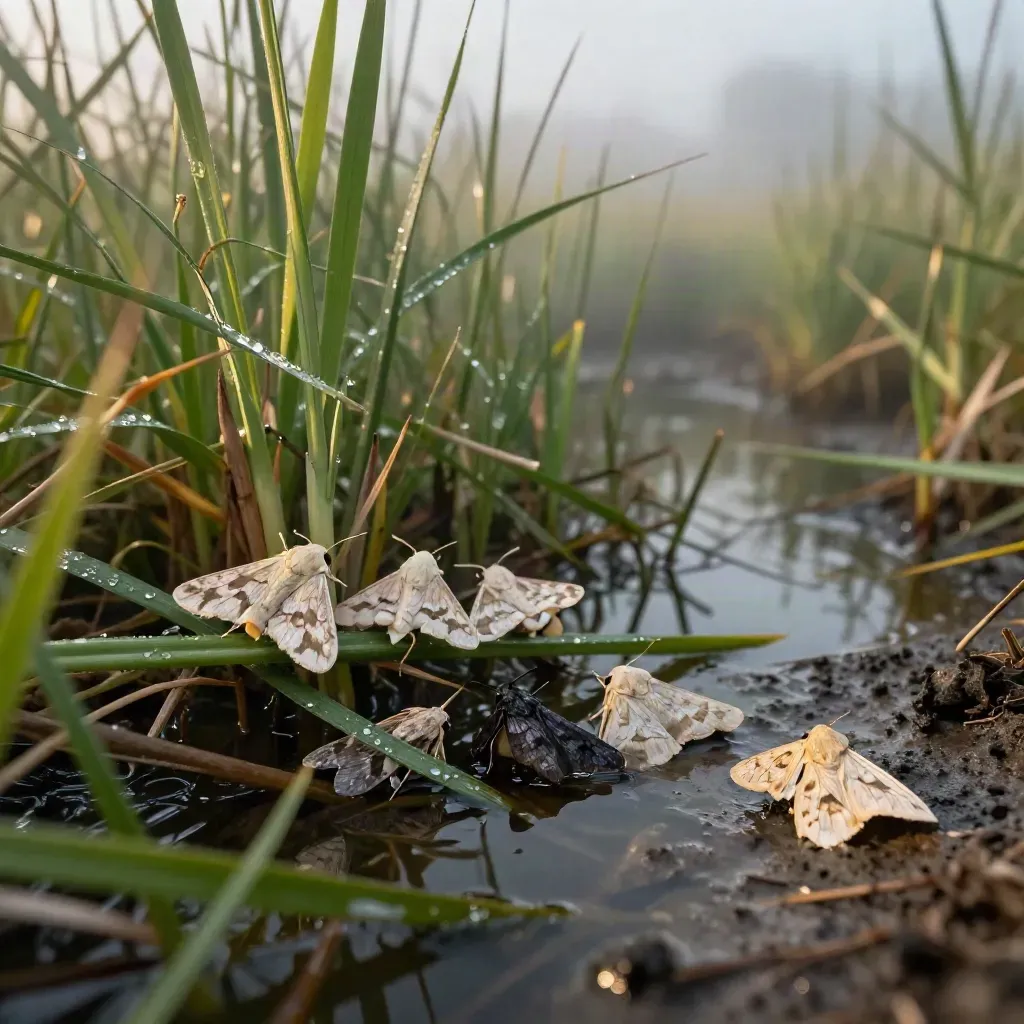
Wide read
Species linked to reeds, damp grass and pond edges.
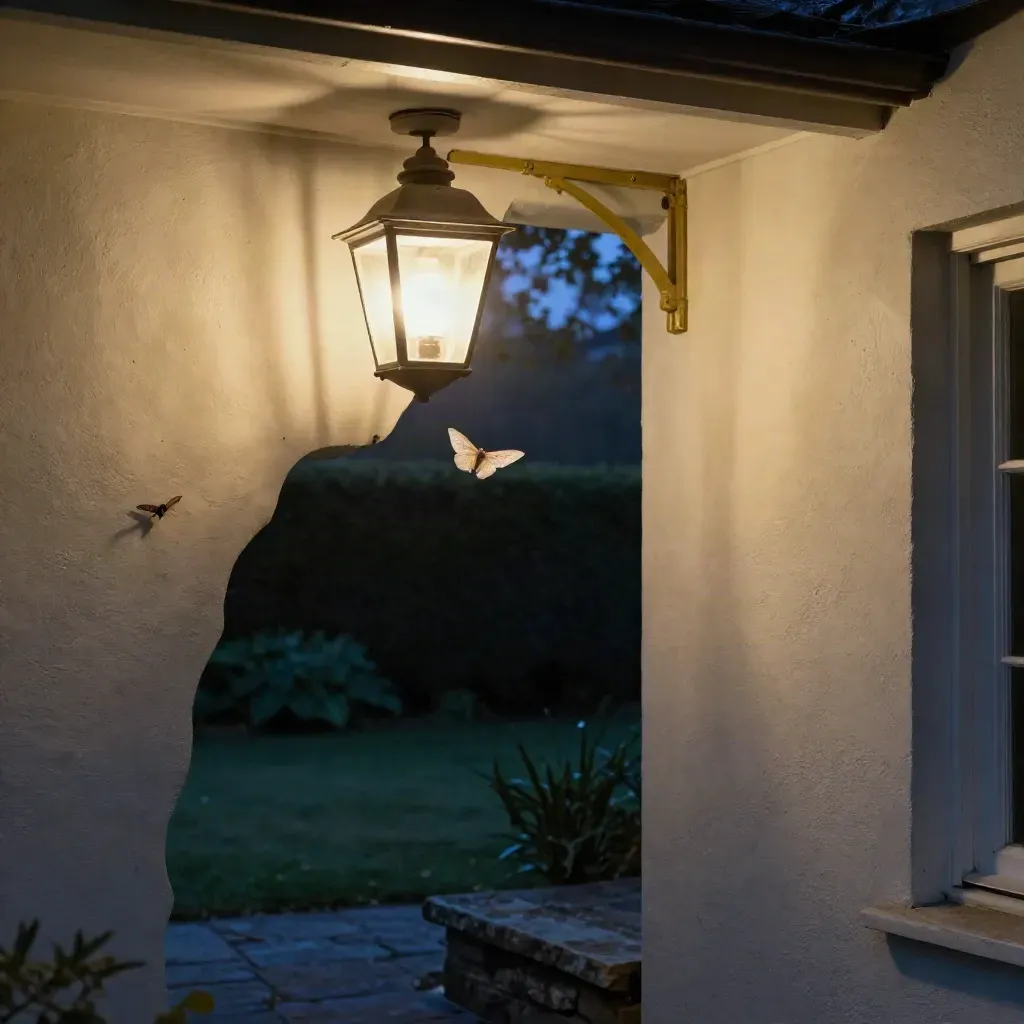
Simple notes from front doors and back gardens.
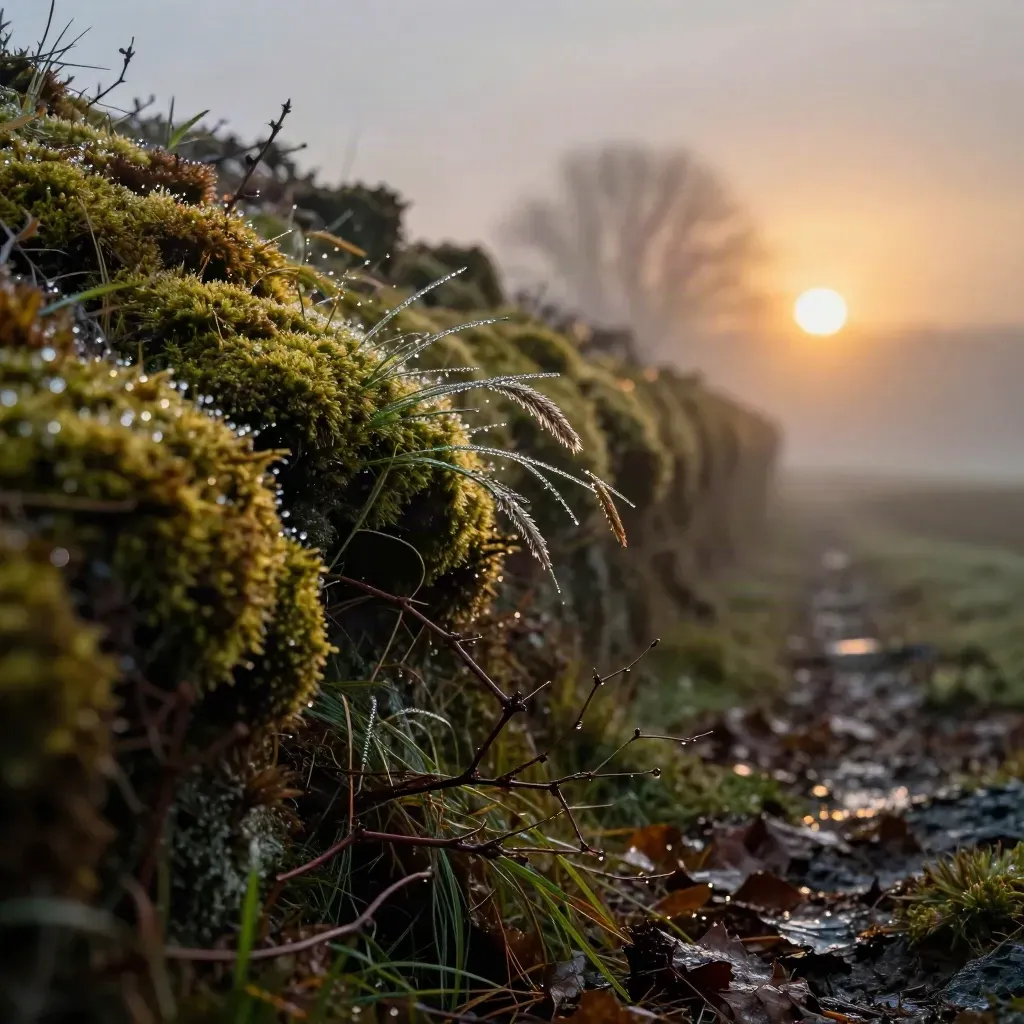
What turns up along lanes, edges and field banks.
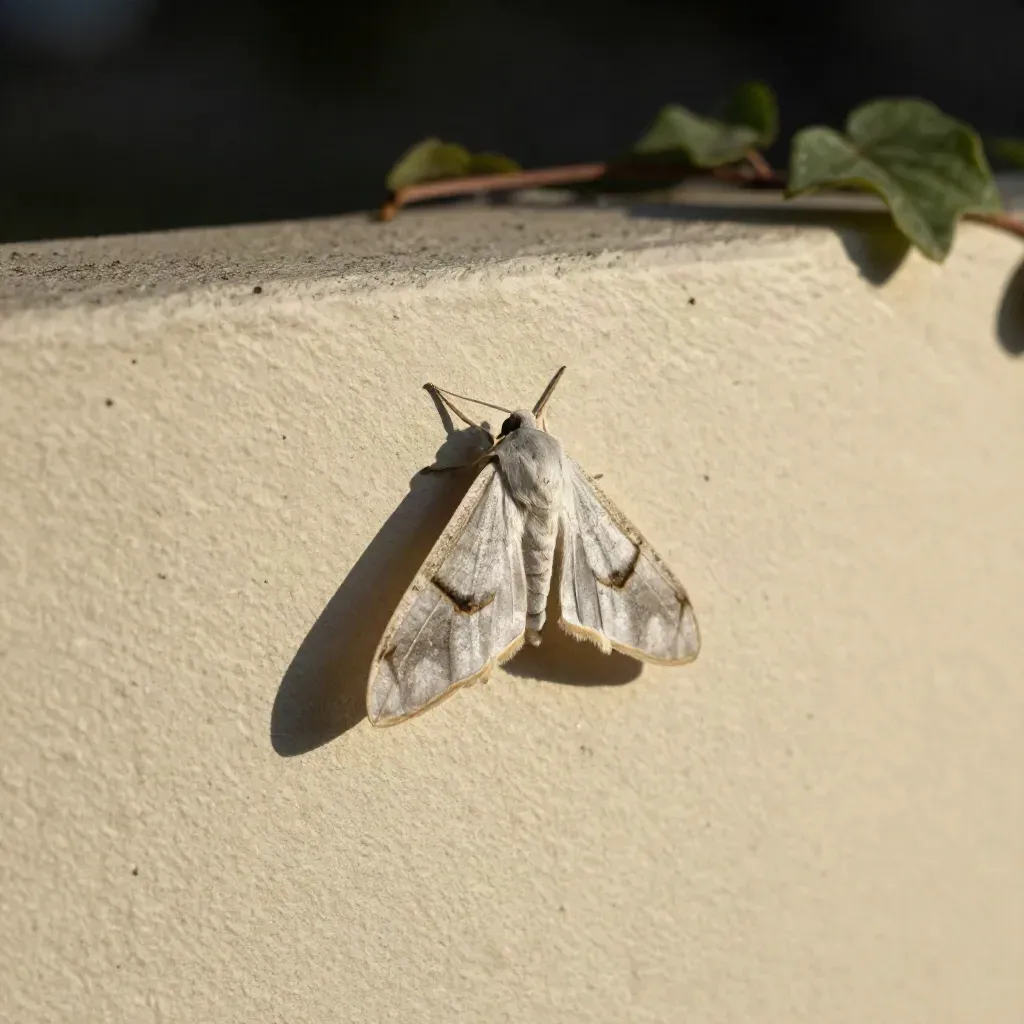
Get a sharp image without disturbing the insect.
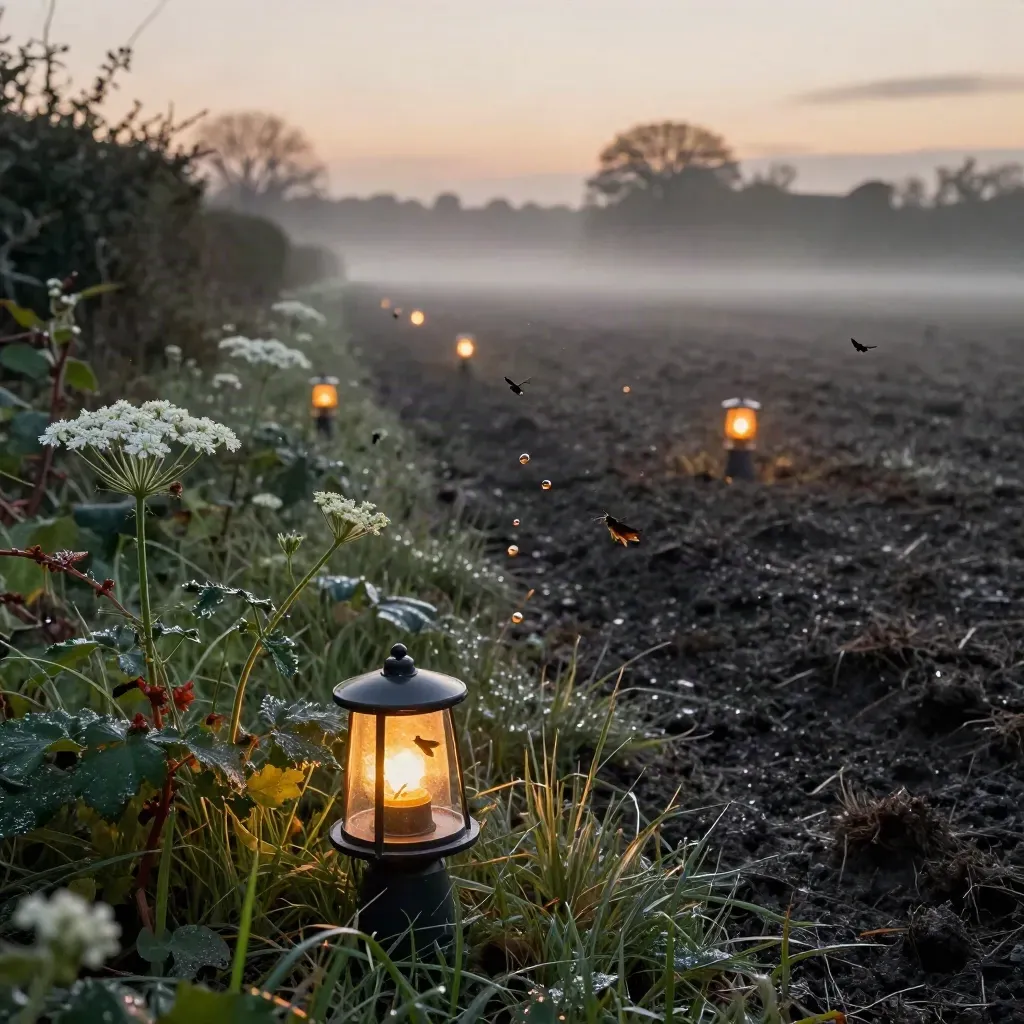
Send a date, place and photo with each sighting.
Journal




Questions
Quick answers before visitors choose a product, service, or next step.
Start with a torch, a camera and one clear photo of the wings, size and markings. Then compare it with the guides here.
Most turn up from dusk to midnight, but some fly at dawn or rest on walls in the day. Warm, calm nights help most.
No. Porch lights, white sheets and still garden walls can give good records. A trap helps, but it is not needed here.
Yes. Send the date, place and a clear photo, plus the light, plant or wall where you found it. That extra detail helps with the name.
Common garden visitors include Large Yellow Underwing, Elephant Hawk-moth, Peppered Moth and many small micros at light.
New sightings and ID notes land through the week, with bigger round-ups after busy nights and local survey checks.
Get one short email with new sightings, ID tips and habitat notes from Hertfordshire moth nights.